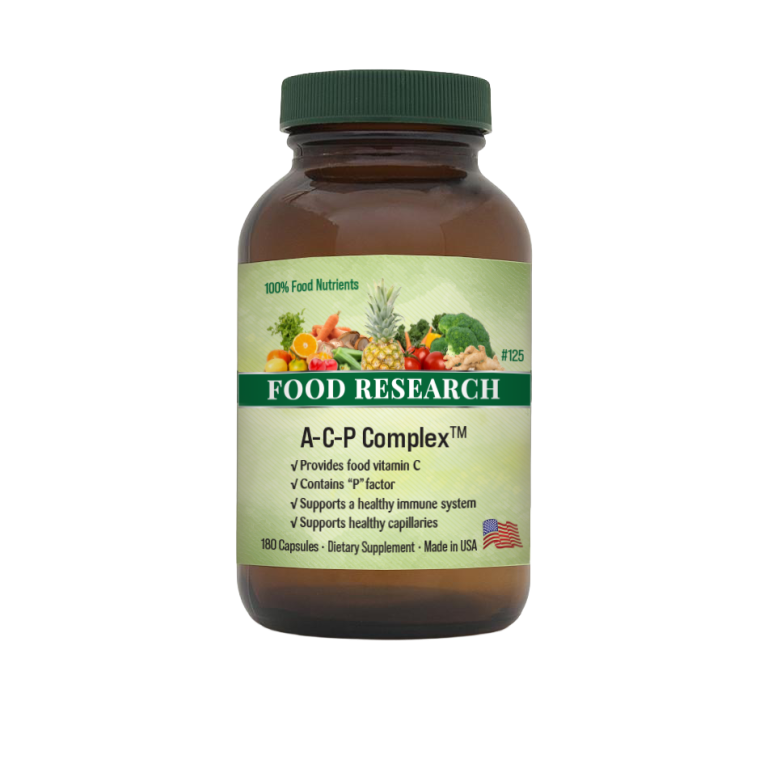
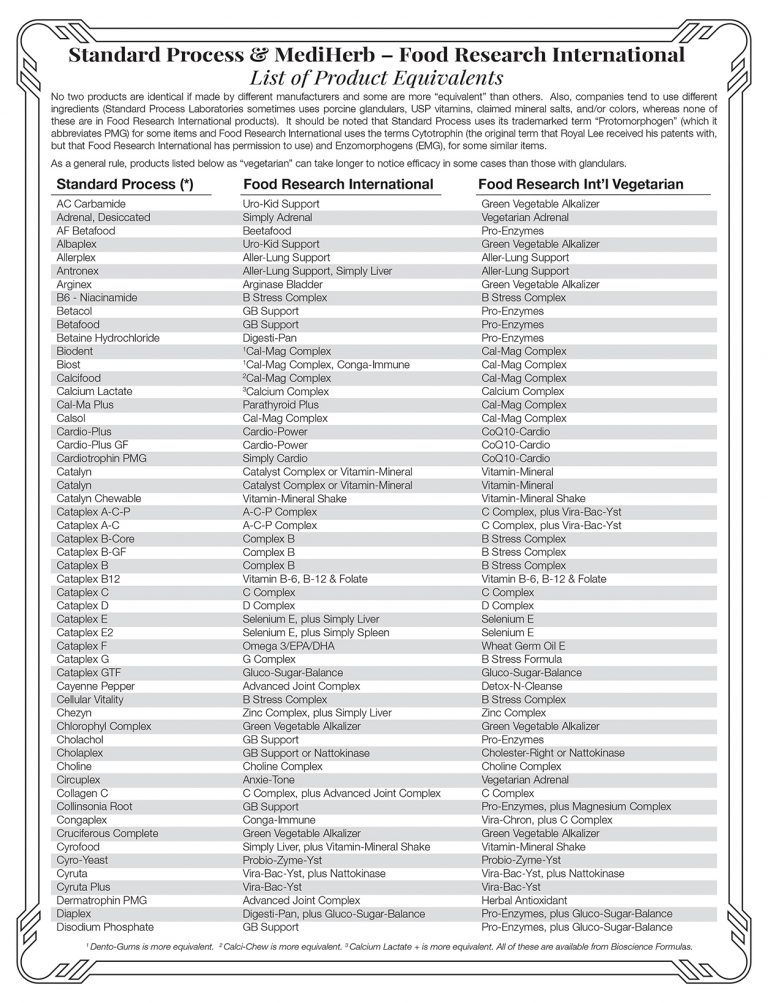
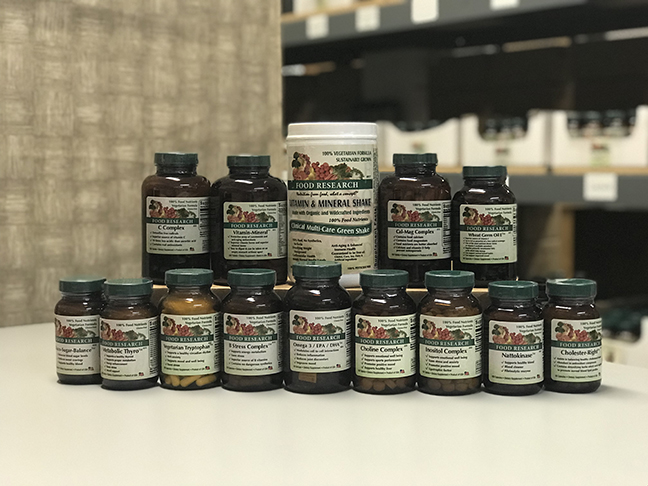
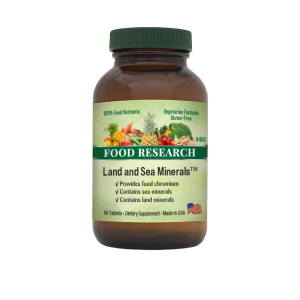
A-C-P Complex Tech Sheet

Vitamins A, C, and P are among the most reached-for nutrients for immune, respiratory, gum, and capillary support.

A-C-P Complex is most frequently used for general immune support, particularly for people who feel run-down or want nutritional support during the fall and winter seasons. It supports recovery and serves as a reliable go-to during those times. It also supports healthy lymphatic function, healthy respiratory tissue and mucous membranes, healthy gums and oral tissue, and the body’s normal antioxidant and inflammatory balance.

A-C-P Complex differs from a standard A and C and P product in that it has food-source vitamins A and C, plus vitamin P (bioflavonoid rutin) content. Rutin supports capillary and blood-vessel integrity and helps maintain the strength and normal permeability of the small vessels and connective tissue. This combination is used for capillary strength, vascular integrity, and reduced bruising, as well as for healthy skin and connective tissue. It also supports healthy circulation and cardiovascular health, healthy cholesterol levels, normal tissue repair, and healthy kidney and urinary function, including fluid balance and normal urination.

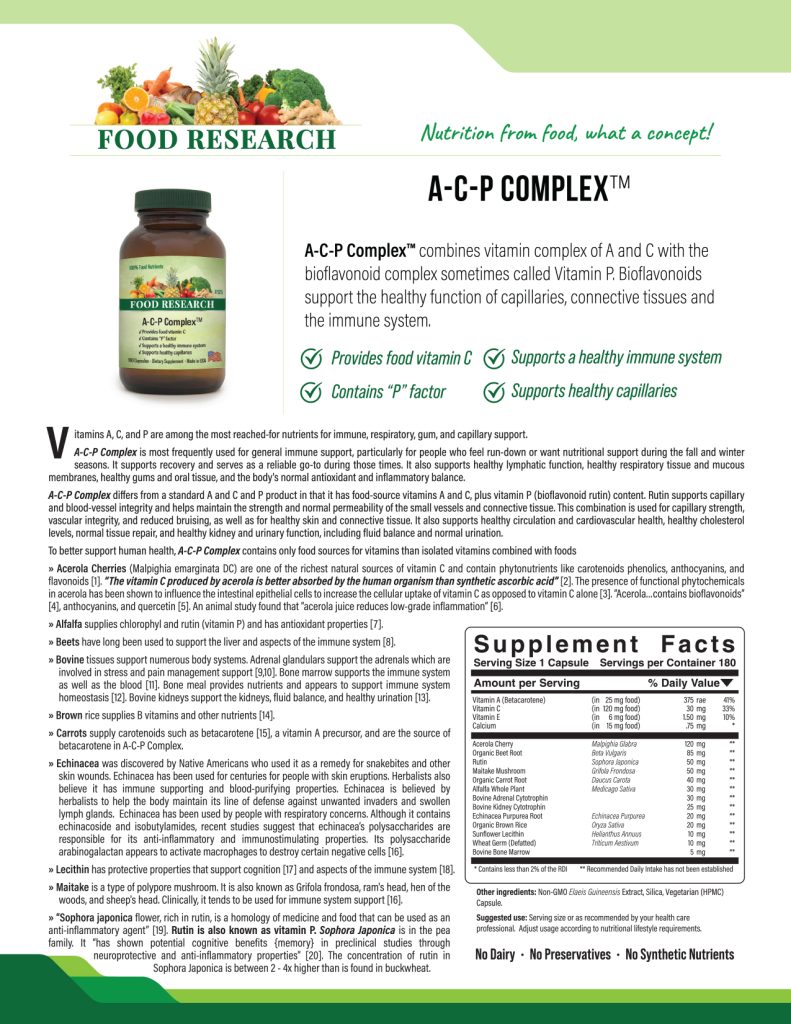
To better support human health, A-C-P Complex contains only food sources for vitamins than isolated vitamins combined with foods:

Acerola cherries (Malpighia emarginata DC) are one of the richest natural sources of vitamin C and contain phytonutrients like carotenoids phenolics, anthocyanins, and flavonoids [1]. “The vitamin C produced by acerola is better absorbed by the human organism than synthetic ascorbic acid” [2]. The presence of functional phytochemicals in acerola has been shown to influence the intestinal epithelial cells to increase the cellular uptake of vitamin C as opposed to vitamin C alone [3]. “Acerola…contains bioflavonoids” [4], anthocyanins, and quercetin [5]. An animal study found that “acerola juice reduces low-grade inflammation” [6].

Alfalfa supplies chlorophyl and rutin (vitamin P) and has antioxidant properties [7].

Beets have long been used to support the liver and aspects of the immune system [8].

Bovine tissues support numerous body systems. Adrenal glandulars support the adrenals which are involved in stress and pain management support [9,10]. Bone marrow supports the immune system as well as the blood [11]. Bone meal provides nutrients and appears to support immune system homeostasis [12]. Bovine kidneys support the kidneys, fluid balance, and healthy urination [13].

Brown rice supplies B vitamins and other nutrients [14].

Carrots supply carotenoids such as betacarotene [15], a vitamin A precursor, and are the source of betacarotene in A-C-P Complex.

Echinacea was discovered by Native Americans who used it as a remedy for snakebites and other skin wounds. Echinacea has been used for centuries for people with skin eruptions. Herbalists also believe it has immune supporting and blood-purifying properties. Echinacea is believed by herbalists to help the body maintain its line of defense against unwanted invaders and swollen lymph glands.  Echinacea has been used by people with respiratory concerns. Although it contains echinacoside and isobutylamides, recent studies suggest that echinacea’s polysaccharides are responsible for its anti-inflammatory and immunostimulating properties. Its polysaccharide arabinogalactan appears to activate macrophages to destroy certain negative cells [16].

Lecithin has protective properties that support cognition [17] and aspects of the immune system [18].

Maitake is a type of polypore mushroom. It is also known as Grifola frondosa, ram’s head, hen of the woods, and sheep’s head. Clinically, it tends to be used for immune system support [16].

“Sophora japonica flower, rich in rutin, is a homology of medicine and food that can be used as an anti-inflammatory agent” [19]. Rutin is also known as vitamin P. Sophora Japonica is in the pea family. It “has shown potential cognitive benefits {memory} in preclinical studies through neuroprotective and anti-inflammatory properties” [20]. The concentration of rutin in Sophora Japonica is between 2 – 4x higher than is found in buckwheat.

Vitamin A/Beta-carotene: Vitamin A naturally exists in foods, but not as a single compound. Vitamin A primarily exists in the form of retinyl esters, and not retinol and beta-carotene is always in the presence of mixed carotenoids with chlorophyll [21].  Synthetic beta-carotene is “prepared from condensing aldehyde (from acetone) with acetylene” [22]; “not much natural beta-carotene is available due to the high costs of production” [22]. Natural beta-carotene, as found in foods, is composed of both all-trans and 9-cis isomers, while synthetic beta-carotene is all-trans isomers [23]. There are safety concerns about USP betacarotene that do not exist with betacarotene in carrots [24]. Plus,  food betacarotene reportedly is over 50% better absorbed in the blood [25].

Vitamin A and beta-carotene support skin health and wound healing [26]. Beta-carotene looks to exhibit anti-inflammatory [27] and immunomodulatory activities [8]. Furthermore, β-Carotene can contribute to vitamin A production in lung cells, potentially supporting normal lung and respiratory tissue function [28]. Beta-carotene in foods, as well as in combination with vitamins C and E, seems to support gum and dental health. [29,30].

Vitamin C “occurs in the body in the form of ascorbate, known for its strong antioxidant and anti-inflammatory properties … A deficiency of ascorbate is associated with numerous disorders, such as general weakness, fatigue, muscle and joint pain” [31]. Ascorbate and dehydroascorbate are the two biologically active forms that are found in food [32-34]. Both “have similar biological activity as antivirals but” dehydroascorbate “also has neuroprotective effects” [35]. Some of the many functions that vitamin C is involved in include collagen formation, carnitine biosynthesis, neurotransmitter synthesis, enhancement of iron absorption, immunocompetence, antioxidant defense, possible anticarcenogenic effects, protection of folate and vitamin E from oxidation, and cholesterol catabolism [32]. 

Although foods generally contain two biologically active forms of vitamin C [32,36], most synthetic vitamin C only contains isolated ascorbic acid [37,38].  One study found that that after 24 hours, food source vitamin C was over 2 ½ times better retained than isolated ascorbic acid [39]. A human study found food vitamin C was 5.01 times more absorbed into blood after 2 hours, 5.86 more after 4 hours, 7.88 times more after 8 hours, and 18.37 times more after 12 hours compared to USP ascorbic acid [40]. Hence, those interested in their bodies retaining vitamin C should consume it from high vitamin C food sources.   

Vitamin E acts to detoxify oxidizing radicals, can stabilize cell membranes, and even protects vitamin A from oxidation [32]. By weight, natural RRR-alpha-tocopherol has 1.7 – 4.0 times the free radical scavenging strength of the other tocopherols; RRR-alpha tocopherol has 3 times the biological activity of the alpha-tocotrienol form; and synthetic vitamin E may have as little as 2% of the biological activity of RRR-alpha-tocopherol [32]. A human urinary excretion study by Traber (et al) concluded that natural vitamin E was 2.7 times better absorbed than synthetic vitamin E; this study suggests that the body may want to rid itself of the synthetic [41].  Vitamin E has a protective role in the cardiovascular system, mortality, and supports aspects of the immune system [8]

Vitamin P. Though no longer called a vitamin, bioflavonoids in general (and rutin in particular) were once called vitamin P [16]. Bioflavonoids are stored in the skins and bitter components of fruits and vegetables.  There are at least 61 known bioflavonoids, many of which are used commercially as preservatives.  Bioflavonoids have been historically used to support the activity of vitamin C, prevent platelet clotting, prevent capillary fragility, reduce bruising, and to strengthen immune response.  Some bioflavonoids are believed to act as diuretics, antioxidants, or even as anti-inflammatories. Bioflavonoids have been found to inhibit mast cell histamine. Vitamin C containing foods can contain as many as sixteen truly organic bioflavonoids such as flavanone glycosides, naringin, neoriocitrin, neohesperidin, hesperidin, flavone glycosides, rhoifolin, luteolin, neodiosmin, flavon aglycones, tetra-o-methylisoscutellarein, sinensetin, isosinensetin, tangeritin, nobiletin, and 5-0-desmethylnobiletin.

Clinically, some have found that bioflavonoids reduce bruising and/or frequent bloody noses in some people. They are also good for skin in general.

Wheat Germ provides B vitamins [42]. A-C-P Complex only contains 10mg of defatted wheat germ which is an extremely small quantity to minimize potential gluten concerns.

Clinical Considerations

It has been claimed that combinations of these nutrients and foods, supports healthy gums and cholesterol levels, “and facilitates blood flow through the arteries. Helps strengthen the integrity of blood vessels and connective tissues” [43]. Others have listed symptoms such as bladder irritation, polyuria, lymph node congestion, and skin disorders [44].

Many users describe the combination of such foods and vitamins as a “go-to” when not feeling well, saying they felt it supports recovery. This combination is frequently used for gum support.

Additionally, ome holistic sources promote it for vascular integrity, bruising, inflammation, healthy skin, and/or cardiovascular support.
Some of these studies (or citations) may not conform to peer review standards, therefore, the results are not conclusive. Professionals can, and often do, come to different conclusions when reviewing scientific data. None of these statements have been reviewed by the FDA. All products distributed by Doctors’ Research, Inc. are nutritional and are not intended for the treatment or prevention of any medical conditions.

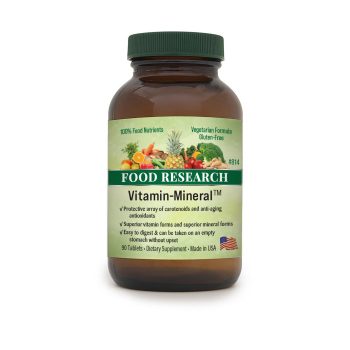
A-C-P Complex™  combines vitamin complex  A and C with the bioflavonoid complex sometimes called vitamin P.  Bioflavonoids support the healthy function of capillaries, connective tissues and the immune system.

References

[1] Prakesh A, Baskaran R. Acerola, an untapped functional superfruit: a review on latest frontiers. J Food Sci Technol. 2018 Sep; 55(9): 3373–3384
[2] Assis SAD, Fernandes FP, Martins ABG, Oliveira OMMDF. Acerola: importance, culture conditions, production and biochemical aspects. Fruits. 2008;63(2):93–101; also published by Cambridge Press
[3] Takino Y, et al. Acerola (Malpighia emarginata DC.) Promotes Ascorbic Acid Uptake into Human Intestinal Caco-2 Cells via Enhancing the Gene Expression of Sodium-Dependent Vitamin C Transporter 1. J Nutr Sci Vitaminol (Tokyo). 2020;66(4):296-299
[4] Hwang J, Hodis HN, Sevanian A.  Soy and alfalfa phytoestrogen extracts become potent low-density lipoprotein antioxidants in the presence of acerola cherry extract. J Agric Food Chem. 2001;49(1):308-314
[5] Hanamura T, Mayama C, Aoki H, Hirayama Y, Shimizu M.  Antihyperglycemic effect of polyphenols from Acerola (Malpighia emarginata DC.) fruit.  Biosci Biotechnol Biochem. 2006 Aug;70(8):1813-20
[6] Dias FM, et al. Acerola (Malpighia emarginata DC.) juice intake protects against alterations to proteins involved in inflammatory and lipolysis pathways in the adipose tissue of obese mice fed a cafeteria diet. Lipids Health Dis. 2014; 13: 24
[7] Horvat D, etc. al, Characterization of Forage Quality, Phenolic Profiles, and Antioxidant Activity in Alfalfa (Medicago sativa L.) Plants (Basel). 2022 Oct 16;11(20):2735. doi: 10.3390/plants11202735
[8] Hendler S, Rorvik D, editors.  PDR for Nutritional Supplements, 4th ed.  Thomson Healthcare, Montvale (NJ), 2007
[9] Guyton AC, Hall JE.  Textbook of Medical Physiology, 9th ed. WB Saunders, 1996
[10] Lee R. Adrenamin.  In Product Bulletins, circa 1950
[11] Guyton AC, Hall JE.  Textbook of Medical Physiology, 9th ed. WB Saunders, 1996
[12] Zhao YY, et al. Injectable cellular vesicle-based bone meal for inflammatory bone defect repair through restoring immune homeostasis. Theranostics. 2025 Mar 18;15(10):4465-4480. doi: 10.7150/thno.110795
[13] Lee R. Kidney Cytotrophin.  In Product Bulletins, circa 1950
[14] Rice flour, brown. FoodData Central. US Department of Agriculture. Published: 4/1/2019
[15] Carrots, raw. FoodData Central. US Department of Agriculture. Published: 4/1/2019
[16] Thiel Serious Nutrition for Health Care Professionals. Nazarene Books, 2024
[17] Wang X, et al. Lecithin Alleviates Memory Deficits and Muscle Attenuation in Chinese Older Adults and SAMP8 Mice. Adv Sci (Weinh). 2025 Aug;12(30):e2405222. doi: 10.1002/advs.202405222
[18] Wang H, et al. Mycobacterium tuberculosis-derived linoleic acid increases regulatory T cell function to promote bacterial survival within macrophages. Nat Microbiol. 2025 Nov;10(11):2949-2965. doi: 10.1038/s41564-025-02140-2
[19] Liu Y. Sophora japonica flowers and their main phytochemical, rutin, regulate chemically induced murine colitis in association with targeting the NF-κB signaling pathway and gut microbiota. Food Chem. 2022 Nov 1:393:133395. doi: 10.1016/j.foodchem.2022.133395
[20] Kim Y. Memory Complaints in Healthy Adults: a protocol of randomized, double-blind, placebo-controlled, parallel-group, clinical trial. J Pharmacopuncture. 2024 Dec 31;27(4):349-357. doi: 10.3831/KPI.2024.27.4.349
[21] Ross AC, et al, editors. Modern Nutrition in Health & Disease, 11th ed. Lippincott Williams & Wilkins, Balt., 2014
[22] Vitamin-Mineral Manufacturing Guide: Nutrient Empowerment, volume 1.  Nutrition Resource, Lakeport (CA), 1986
[23] Ben-Amotz A, et al.  Effect of natural beta-carotene supplementation in children exposed to radiation from the Chernobyl accident.  Radiat Environ Biophys 1998;37:187-193
[24] Thabet RH, et al. Folic acid: friend or foe in cancer therapy. J Int Med Res. 2024 Jan;52(1):3000605231223064. doi: 10.1177/03000605231223064
[25] Vinson J, Bose P, Lemoine L, Hsiao KH. Bioavailability studies. In Nutrient Availability: Chemical and Biological Aspects. Royal Society of Chemistry, Cambridge (UK) 1989:125-127
[26] Lee K, Tong T. Mechanism of Action of Retinyl Compounds on Wound Healing I: Structural Relationship of Retinyl Compounds and Wound Healing. Journal of Pharmaceutical Sciences. Volume 59, Issue 6, June 1970, Pages 851-854
[27] Pinos, et al. β-Carotene accelerates the resolution of atherosclerosis in mice. Elife. 2024 Feb 6:12:RP87430. doi: 10.7554/eLife.87430
[28] Gong X, et al. β-carotene regulates expression of β-carotene 15,15′-monoxygenase in human alveolar epithelial cells. Arch Biochem Biophys. 2013 Nov 15;539(2):230-8. doi: 10.1016/j.abb.2013.09.013
[29] Meng Z, et al. The association of composite dietary antioxidant index with periodontitis in NHANES 2009-2014. Front Immunol. 2024 Jun 24:15:1384272. doi: 10.3389/fimmu.2024.1384272.
[30] Dodington D, et al. Higher Intakes of Fruits and Vegetables, β-Carotene, Vitamin C, α-Tocopherol, EPA, and DHA Are Positively Associated with Periodontal Healing after Nonsurgical Periodontal Therapy in Nonsmokers but Not in Smokers. J Nutr. 2015 Nov;145(11):2512-9. doi: 10.3945/jn.115.211524
[31] Gegotek G, Skrzydlewska E.Antioxidative and Anti-Inflammatory Activity of Ascorbic Acid. Antioxidants (Basel). 2022 Oct; 11(10): 1993
[32] Ross AC, et al, editors. Modern Nutrition in Health & Disease, 11th ed. Lippincott Williams & Wilkins, Balt., 2014
[33] Levine, M, et al. Vitamin C. In Present Knowledge in Nutrition, 7th ed. ILSI Press, Washington, 1996:146-159
[34]Burr-Madsen A. Gateways College of Natural Health, Module 1.  Gateways College, Shingle Springs (CA), 1996
[35] National Center for Biotechnology Information. PubChem Compound Summary for CID 440667, Dehydroascorbic acid. https://pubchem.ncbi.nlm.nih.gov/compound/Dehydroascorbic-acid. Accessed Jan. 3, 2023
[36] Vanderslice JT, Higgs DJ.  Vitamin C content of foods: sample variability.  Am J Clin Nutr, 1991;54(Supp 6):1323S-1327S
[37] United States Pharmacopeial Convention.  USAN and USP Dictionary of Drug Names.  Mack Printing, 1986
[38] Mangels AR, et al.  The bioavailability to humans of ascorbic acid from oranges, orange juice and cooked broccoli is similar to that of synthetic ascorbic acid.  J Nutr, 1993;123(6):1054-1061
[39] Vinson JA, Bose P. Comparative bioavailabililty of humans to ascorbic acid alone or in a citrus extract. Am J Clin Nutr, 1988;48:601-406
[40] Baker H, Frank O. Absorption Study on Vitamin C College of Medicine and Dentistry of New Jersey. C. 1990
[41] Traber MG, Elsner A, Brigelius-Flohe R. Synthetic as compared with natural vitamin E is preferentially excreted as alpha-CEHC in human urine: studies using deuterated alpha-tocopherol acetates.  FEBS Letters, 1998;437:145-148
[42] Wheat germ, crude. FoodData Central. US Department of Agriculture. Published: 4/1/2019
[43] Profiles in Nutritional Progress.  Rubicon Productions, Bakersfield, 1993, p. 36
[44] Lee R. Vitamin A-C-P Complex.  In Product Bulletins, circa 1950

To Apply for Wholesale Account

or Call Us at (805) 489-7185
or Email Us at doctorsfoodresearch@gmail.com for more info.